


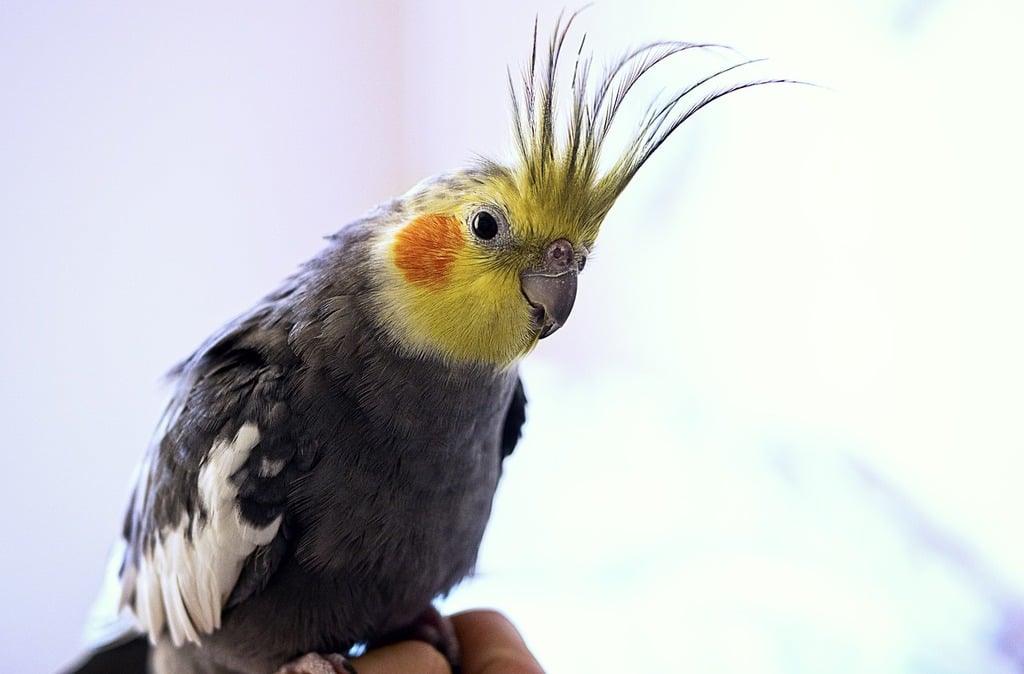
Cockatiel names can be inspired by feather color, the distinctive crest, music, nature or ordinary human names. A useful guide should work even when the reader does not know the bird’s exact color mutation.
Use this page for Cockatiel-specific naming inspiration while keeping identification and care questions separate.
Quick Cockatiel name ideas
These mix feather color, crest, music and classic styles.
- Pico
- Sunny
- Skye
- Milo
- Poppy
- Echo
- Pearl
- Finn
- Nova
- Kiwi
- Jasper
- Olive
- Ziggy
- Clover
- Theo
- Saffron
- Mira
- Basil
- Rio
- Ruby
Male Cockatiel names
Simple human names provide an easy everyday option.
- Oscar
- Nico
- Leo
- Toby
- Felix
- Louie
- Benny
- Remy
- Sam
- Hugo
- Otto
- Rory
- Alfie
- Max
- Archie
- Gus
- Calvin
- Simon
- Arthur
- Rex
Female Cockatiel names
These range from floral and bright to classic human names.
- Luna
- Daisy
- Rosie
- Ivy
- Tessa
- Nala
- Violet
- Zoe
- Flora
- Freya
- Piper
- Molly
- Maisie
- Nina
- Opal
- Sage
- Willow
- Mabel
- Tilly
- Cleo
Feather and color-inspired names
Visible color can inspire light, gemstone and neutral-tone names without requiring mutation identification.
- Goldie
- Amber
- Citrine
- Indigo
- Cobalt
- Azure
- Snow
- Ivory
- Onyx
- Slate
- Copper
- Coral
- Silver
- Frost
- Jade
- Emerald
- Marigold
- Sable
- Cream
- Aqua
Crest and feather-style names
The silhouette and feather texture can inspire light, playful words.
- Crest
- Tuft
- Feather
- Plume
- Quill
- Puff
- Ribbon
- Fluff
- Halo
- Spike
- Tassel
- Whisp
- Flick
- Fan
- Silk
- Velvet
- Cloud
- Breeze
- Sprig
- Peak
Musical names
Music offers a bird-related theme without making claims about singing or training.
- Aria
- Lyric
- Cadence
- Jazz
- Tempo
- Melody
- Harmony
- Solo
- Chime
- Riff
- Beat
- Sonata
- Treble
- Muse
- Banjo
- Fiddle
- Note
- Chorus
- Rhythm
- Bell
Color names do not require exact mutation labels
Lutino, pearl and normal-grey terminology may matter to experienced keepers, but a general naming page should not depend on the reader correctly identifying a mutation.
You can choose Goldie, Pearl, Slate or Frost simply because the visual association fits the bird.
The crest gives you a distinct creative theme
Tuft, Plume, Halo and Sprig are playful options inspired by silhouette. They make the page feel Cockatiel-specific without turning the feature into a behavior claim.
A classic name such as Theo or Ruby can work just as well if you prefer something simpler.
Related bird hubs
For broader inspiration, browse the Bird Names hub. You can also compare Parakeet names or Canary names for other small-bird styles.
The Cockatiel names hub remains the main category for future distinct color or pair-name pages.
Naming a pair
Shared themes can work without sounding identical: Sunny and Skye, Pearl and Opal, Aria and Jazz, Theo and Milo, or Olive and Basil.
Say both names together several times before committing so the pair remains easy to distinguish.
How to shortlist
Choose one color name, one crest or feather name, one musical name, one human name and one wildcard. That five-style comparison is more useful than collecting dozens of very similar choices.
Write the shortlist down and revisit it after a day.
Meaning and cultural names need verification
If a name’s language or cultural meaning matters to you, verify the translation and usage before relying on it. A name can still be chosen simply for sound or personal association.
That keeps general name lists useful without spreading uncertain etymology.
Final shortlist
Try Sunny for warm color, Plume for crest, Aria for musical, Theo for classic and Nova for modern. Those five directions make the final choice easier.
One final practical test
Compare one visual name, one musical name and one ordinary human name. If Plume or Aria still beats Theo after repeated use, the themed option is genuinely your preference rather than simply the first Cockatiel association. That makes the final choice more durable.
A practical way to use this Cockatiel name list
This page works best as a set of different naming lanes rather than one long ranking. Start by choosing the two or three directions that actually appeal to you from Male, Female, Colorful, Crest and Musical. Then pull a small number of candidates from each direction. For example, compare Jazz, Snow and Hugo as separate possibilities instead of assuming the first section must contain the winner. The point is to discover what kind of name feels right for your bird, not to force every visible feature or article theme into the final choice. A short mixed shortlist also makes it easier to notice when two names are attractive for completely different reasons.
Compare themed names with one ordinary wildcard
A themed choice can feel perfect while you are reading a themed section and less convincing later. To test that effect, place one straightforward wildcard beside the strongest themed candidates. If Treble is the wildcard, compare it directly with Jazz, Snow and Hugo. Say why you like each option without using the article heading as the explanation. If a color, place, food, myth, coat, sound or size reference still feels meaningful after that comparison, keep it. If the ordinary name keeps winning, that is useful information too. The best result is not the name that proves you followed the theme most closely; it is the one you are happiest to use repeatedly.
Use the full name and the likely nickname
Before deciding, write each finalist twice: once in its full form and once as the nickname you are most likely to use. A formal choice can look distinctive on a list but turn into a much more common everyday word. Conversely, a longer option may become easier and warmer once its natural nickname is obvious. Try Emerald and Arthur this way, then do the same with the rest of the shortlist. If the shortened forms become too similar to another pet or person in the household, remove one candidate early. This check is especially useful when several names share the same first sound, ending, rhythm or repeated nickname pattern.
Test names in normal household sentences
Reading names silently is not enough. Use each finalist in ordinary sentences at the pace you actually speak: mention feeding, a veterinary appointment, a photo, a family conversation or simply calling attention to your bird. Try Sunny and Quill several times rather than performing the name slowly as if it were an announcement. Notice which choices are easy to pronounce, which ones you shorten automatically and which ones feel awkward after repetition. There is no universal syllable count that guarantees a better pet name. Your own pronunciation, household language and comfort with the word are more useful filters than a rigid rule copied from a generic naming list.
Keep appearance inspiration separate from personality
Many pet-name searches begin with something visible: color, markings, coat texture, body shape or another memorable feature. Those observations can be excellent creative prompts, but they do not need to become personality claims. A name inspired by a bold visual feature does not mean the individual bird must behave boldly, and a soft-sounding name does not require a calm temperament. Treat appearance as one optional source of imagery. This keeps choices such as Jazz or Emerald flexible and prevents the article from turning a visual theme into a stereotype. If personality becomes important later, use what you actually observe rather than what a breed or color is supposed to imply.
Be careful with cultural meanings and translated words
If a finalist is attractive because you believe it has a particular meaning in another language or cultural tradition, verify that meaning before making the claim part of the story behind the name. Pet-name lists often repeat uncertain translations, simplified symbolism or invented origin explanations. You do not need any of that to enjoy the sound of a word. A candidate can remain on the shortlist because it is memorable, easy to say or personally meaningful even when you do not attach an etymology to it. This is particularly important for heritage, mythology, geographic or language-themed sections: accuracy is more valuable than adding a dramatic explanation that cannot be supported.
Build a balanced final five
A useful final shortlist can contain five deliberately different roles: one close match to the article theme, one subtle reference, one classic or human-style option, one playful choice and one wildcard. Using names already on this page, you might start with Jazz, Hugo, Treble, Arthur and Quill, then replace any candidate that does not fit the role naturally. This structure prevents the final five from becoming minor variations of the same idea. It also makes the decision clearer: you are comparing distinct naming styles rather than trying to rank twenty nearly identical choices. If two finalists remain tied, leave them overnight and see which one you remember or use spontaneously the next day.
Know when to stop searching
Once you have a small group of names that are easy to use and genuinely appealing, more browsing can make the decision harder rather than better. Stop collecting new ideas for a while and live with the shortlist you already built. Write the candidates somewhere separate from this page so the section order no longer influences you. If Snow, Treble or another option keeps returning to mind without prompting, give that signal more weight than the fact that another name was placed higher in a list. A good final choice does not need to be the rarest, cleverest or most perfectly themed name. It needs to be a name you are comfortable using consistently for your bird.