
Exotic Pet Names: Cute, Unusual & Creative Ideas
“Exotic pet” is a useful browsing label, but it covers animals with very different bodies, care needs and daily routines. The goal of a broad naming page is to help you find a style, then move into the actual species instead of pretending one list fits everything.
If you already know what you are naming, skip straight to Hedgehog names, Chinchilla names, Sugar Glider names or Ferret names.
Quick unusual pet names
Use this broad list only to identify a style you like before moving to the actual species.
- Mochi
- Atlas
- Nova
- Pebble
- Rune
- Pico
- Juniper
- Echo
- Onyx
- Saffron
- Cosmo
- Taro
- Dune
- Clover
- Ziggy
- Opal
- Basil
- Nimbus
- Miso
- Vega
- Mica
- Teddy
- Flint
- Poppy
- Orbit
Cute names
Soft food and object names can work across many small companion species.
- Mochi
- Bean
- Pip
- Biscuit
- Pebble
- Miso
- Boba
- Noodle
- Button
- Sprout
- Pudding
- Waffles
- Peanut
- Nugget
- Poppy
- Muffin
- Taffy
- Cookie
- Pickle
- Teddy
Nature names
Nature themes are flexible because they can reference visual style without claiming a personality.
- Juniper
- Cedar
- Moss
- Sage
- Clover
- Fern
- Dune
- River
- Ash
- Flint
- Briar
- Reed
- Storm
- Rain
- Meadow
- Pebble
- Willow
- Canyon
- Maple
- Ivy
Mythology and fantasy
These work when you want something dramatic without making the animal sound dangerous.
- Atlas
- Nyx
- Loki
- Freya
- Orion
- Juno
- Vega
- Rune
- Phoenix
- Echo
- Draco
- Circe
- Apollo
- Athena
- Odin
- Gaia
- Titan
- Nova
- Ares
- Zephyr
Funny ordinary-human names
The contrast between an unusual animal and an ordinary human name can be enough to make it memorable.
- Kevin
- Gary
- Susan
- Barry
- Doug
- Linda
- Steve
- Mabel
- Walter
- Frank
- Debbie
- Larry
- Dennis
- Pam
- Gus
- Harold
- Nancy
- Trevor
- Betty
- Alan
Color and material names
Appearance can be a safe early filter when you do not know the individual animal well yet.
- Onyx
- Sable
- Obsidian
- Pearl
- Frost
- Opal
- Copper
- Amber
- Saffron
- Jade
- Indigo
- Ruby
- Ivory
- Slate
- Cocoa
- Moss
- Goldie
- Ash
- Silver
- Ember
Use the species before the adjective
“Exotic” is a discovery label, not a single biological group. A hedgehog, chinchilla, ferret, sugar glider, reptile and tarantula should not receive the same article structure or recycled name list.
That is why the site routes readers into Hedgehog names, Chinchilla names, Sugar Glider names and Ferret names once the species is known.
Why species pages should look different
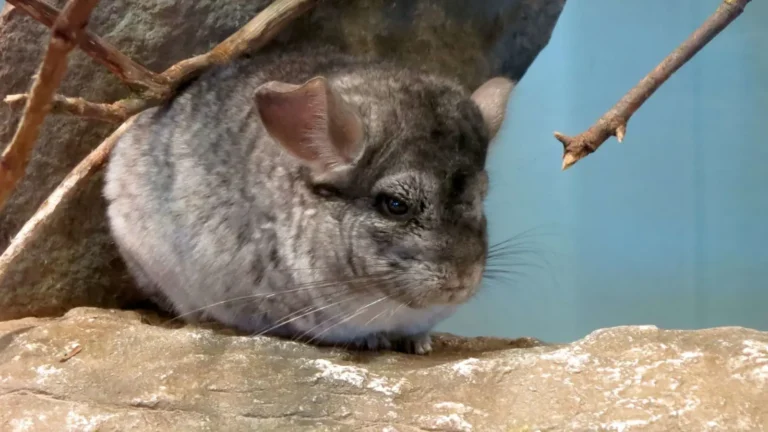
A hedgehog page can use quill color and compact size as inspiration. A chinchilla page can explore soft-coat and Andean themes. A sugar glider page can use night, sky and gliding imagery. Those are different enough to support genuinely distinct content.
The current Hedgehog naming guide is also being refocused toward naming intent rather than generic color information.
Cultural meanings need verification
If a translation or cultural meaning is part of why you want a name, verify it from a reliable language or cultural source. Do not trust a random list simply because it assigns a dramatic meaning.
A name can still be attractive because of its sound, spelling or personal association. It is better to omit a claimed meaning than to publish an invented one.
Do not force personality immediately
New surroundings can make an animal appear unusually quiet, cautious or active. If you do not know the individual well yet, appearance, a neutral theme or a name you simply enjoy may be a better starting point than assigning a personality label on day one.
This is especially important on broad naming pages, where practical inspiration is useful but unsupported behavioral claims are not.
Keep naming separate from care
A name may reference desert, forest, night or sky imagery without being used as evidence about housing, temperature, diet or social needs. Husbandry decisions belong to reliable species-specific care guidance.
This page stays focused on naming so that a creative theme does not accidentally become care advice.
Pair and group naming
If compatible animals are kept as a pair or group, shared themes can be easier than rhyme: Atlas and Nova, Mochi and Miso, Juniper and Cedar, Onyx and Opal, or Pico and Vega.
Whether animals should actually be housed together is a husbandry question, not a naming question. The theme should never be treated as a reason to change care arrangements.
Final shortlist
Try Mochi for cute, Juniper for nature, Atlas for mythology, Kevin for humor and Onyx for color. Once one style feels more natural for the animal you actually keep, the final decision becomes much easier.
One last practical check
Unusual animals can tempt owners toward extremely elaborate names because the pet itself feels unusual. A theatrical full name may be fun, but make sure you also like the short version that will be used in ordinary conversation. A simple name can still have a strong story behind it.
Write down why each finalist appeals to you. If the reason depends on an uncertain fact, translation or stereotype, replace that reason with something you can verify or choose a different name.
Write down why each finalist appeals to you. If the reason depends on an uncertain fact, translation or stereotype, replace that reason with something you can verify or choose a different name.
Write down why each finalist appeals to you. If the reason depends on an uncertain fact, translation or stereotype, replace that reason with something you can verify or choose a different name.
Write down why each finalist appeals to you. If the reason depends on an uncertain fact, translation or stereotype, replace that reason with something you can verify or choose a different name.
Write down why each finalist appeals to you. If the reason depends on an uncertain fact, translation or stereotype, replace that reason with something you can verify or choose a different name.
Write down why each finalist appeals to you. If the reason depends on an uncertain fact, translation or stereotype, replace that reason with something you can verify or choose a different name.
Write down why each finalist appeals to you. If the reason depends on an uncertain fact, translation or stereotype, replace that reason with something you can verify or choose a different name.
A practical way to use this Exotic Pets name list
This page works best as a set of different naming lanes rather than one long ranking. Start by choosing the two or three directions that actually appeal to you from Cute, Unusual and Creative. Then pull a small number of candidates from each direction. For example, compare Harold, Taffy and Copper as separate possibilities instead of assuming the first section must contain the winner. The point is to discover what kind of name feels right for your exotic pets, not to force every visible feature or article theme into the final choice. A short mixed shortlist also makes it easier to notice when two names are attractive for completely different reasons.
Compare themed names with one ordinary wildcard
A themed choice can feel perfect while you are reading a themed section and less convincing later. To test that effect, place one straightforward wildcard beside the strongest themed candidates. If Briar is the wildcard, compare it directly with Harold, Taffy and Copper. Say why you like each option without using the article heading as the explanation. If a color, place, food, myth, coat, sound or size reference still feels meaningful after that comparison, keep it. If the ordinary name keeps winning, that is useful information too. The best result is not the name that proves you followed the theme most closely; it is the one you are happiest to use repeatedly.
Use the full name and the likely nickname
Before deciding, write each finalist twice: once in its full form and once as the nickname you are most likely to use. A formal choice can look distinctive on a list but turn into a much more common everyday word. Conversely, a longer option may become easier and warmer once its natural nickname is obvious. Try Silver and Nyx this way, then do the same with the rest of the shortlist. If the shortened forms become too similar to another pet or person in the household, remove one candidate early. This check is especially useful when several names share the same first sound, ending, rhythm or repeated nickname pattern.
Test names in normal household sentences
Reading names silently is not enough. Use each finalist in ordinary sentences at the pace you actually speak: mention feeding, a veterinary appointment, a photo, a family conversation or simply calling attention to your exotic pets. Try Echo and Athena several times rather than performing the name slowly as if it were an announcement. Notice which choices are easy to pronounce, which ones you shorten automatically and which ones feel awkward after repetition. There is no universal syllable count that guarantees a better pet name. Your own pronunciation, household language and comfort with the word are more useful filters than a rigid rule copied from a generic naming list.
Keep appearance inspiration separate from personality
Many pet-name searches begin with something visible: color, markings, coat texture, body shape or another memorable feature. Those observations can be excellent creative prompts, but they do not need to become personality claims. A name inspired by a bold visual feature does not mean the individual exotic pets must behave boldly, and a soft-sounding name does not require a calm temperament. Treat appearance as one optional source of imagery. This keeps choices such as Harold or Silver flexible and prevents the article from turning a visual theme into a stereotype. If personality becomes important later, use what you actually observe rather than what a breed or color is supposed to imply.
Be careful with cultural meanings and translated words
If a finalist is attractive because you believe it has a particular meaning in another language or cultural tradition, verify that meaning before making the claim part of the story behind the name. Pet-name lists often repeat uncertain translations, simplified symbolism or invented origin explanations. You do not need any of that to enjoy the sound of a word. A candidate can remain on the shortlist because it is memorable, easy to say or personally meaningful even when you do not attach an etymology to it. This is particularly important for heritage, mythology, geographic or language-themed sections: accuracy is more valuable than adding a dramatic explanation that cannot be supported.
Build a balanced final five
A useful final shortlist can contain five deliberately different roles: one close match to the article theme, one subtle reference, one classic or human-style option, one playful choice and one wildcard. Using names already on this page, you might start with Harold, Copper, Briar, Nyx and Athena, then replace any candidate that does not fit the role naturally. This structure prevents the final five from becoming minor variations of the same idea. It also makes the decision clearer: you are comparing distinct naming styles rather than trying to rank twenty nearly identical choices. If two finalists remain tied, leave them overnight and see which one you remember or use spontaneously the next day.
Know when to stop searching
Once you have a small group of names that are easy to use and genuinely appealing, more browsing can make the decision harder rather than better. Stop collecting new ideas for a while and live with the shortlist you already built. Write the candidates somewhere separate from this page so the section order no longer influences you. If Taffy, Briar or another option keeps returning to mind without prompting, give that signal more weight than the fact that another name was placed higher in a list. A good final choice does not need to be the rarest, cleverest or most perfectly themed name. It needs to be a name you are comfortable using consistently for your exotic pets.