Male Cockatiel Names: Strong, Cute & Uncommon Ideas
Male Cockatiel names can be strong, cute, colorful or uncommon. A useful male-specific guide should give you several styles to compare instead of assuming every male bird needs a bold or musical name.
For broader and related ideas, see the main Cockatiel names guide, compare with female Cockatiel names, or browse the Bird Names guide.
Strong male Cockatiel names
Confident choices that do not assume every male bird has the same temperament.
- Atlas
- Roman
- Apollo
- Orion
- Sterling
- Cyrus
- Magnus
- Rocco
- Archer
- Phoenix
- Viggo
- Dante
- Rex
- Cobalt
- Summit
- Titan
- Knox
- Midas
- Bruno
- Zephyr
Cute male Cockatiel names
Short playful choices for a lighter everyday style.
- Pico
- Milo
- Theo
- Finn
- Teddy
- Mochi
- Biscuit
- Pip
- Nico
- Benny
- Peanut
- Buttons
- Bean
- Noodle
- Muffin
- Boba
- Pudding
- Pickle
- Crumpet
- Ziggy
Color-inspired male Cockatiel names
Feather-color ideas that remain creative rather than diagnostic.
- Sunny
- Slate
- Silver
- Frost
- Ivory
- Amber
- Copper
- Goldie
- Citrine
- Onyx
- PearlGray
- Cream
- Indigo
- Azure
- Aqua
- Sable
- Marigold
- Cinder
- Topaz
- Cloud
Uncommon male Cockatiel names
Less familiar choices for owners who want something beyond standard bird lists.
- Auden
- Bram
- Cosmo
- Dorian
- Elio
- Fable
- Ivo
- Kestrel
- Lennox
- Miro
- Niles
- Quillan
- Rafferty
- Soren
- Tavian
- Ulysses
- Weston
- Xander
- Yarrow
- Zorin
Why this specialized page exists
The main Cockatiel article has to serve broad breed intent, while this page answers a narrower question: names specifically for a male Cockatiel. That narrower purpose allows deeper comparison among strong, cute, classic and uncommon choices without making the core article excessively long.
A specialized page is useful only when it helps the reader make a better decision. The sections here deliberately contrast different styles rather than recycling one general list.
Male does not dictate one naming style
Knowing that the pet is male narrows the search, but it does not decide whether the name must sound strong, soft, funny or formal. You can keep very different moods in the same shortlist and let personal preference decide.
That contrast is useful because it separates a real preference from an automatic stereotype about what a male pet should be called.
Color is creative inspiration, not identification
Feather color can provide useful ideas for a Cockatiel, but a naming page should not be used to identify a mutation, health condition or breeding trait. Those questions belong in reliable bird references when they matter.
For naming, a visual impression is enough. The name can also deliberately contrast with his feathers.
Crest and music themes should stay creative
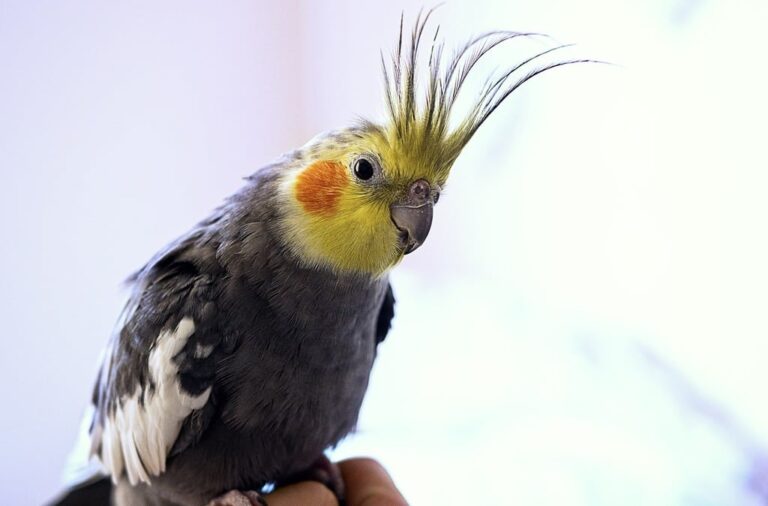
The Cockatiel crest and musical imagery offer recognizable naming themes, but they do not need to become behavior or training claims. A word such as Plume, Chime or Sunny can be chosen because you like it.
A pet-name article should help with naming. Training, speech and care guidance belong in separate, properly sourced resources.
Popular names are still valid
A familiar name can be the right answer for a Cockatiel. Popular choices are often easy to pronounce, spell and remember, and that practicality matters in everyday use.
Only avoid a common name if you specifically want something less familiar or already know several nearby pets with the same name. Uncommon should be a preference, not a quality score.
Uncommon should not mean difficult
Names such as Zephyr can feel distinctive without requiring unusual spelling. Deliberately changing a familiar spelling only to make the name look unique often creates more friction than value.
A name will be spoken and written repeatedly. Clear and distinctive is usually a stronger combination than rare and confusing.
Check the likely nickname
Longer names often shorten naturally. If the full name is likely to become a nickname, judge both versions before choosing. The everyday shortened form may be what his household uses most often.
Write the formal name and likely nickname beside each other. Remove a candidate if you love one version but strongly dislike the other.
Test the name with your household
Say each finalist next to the names of other pets and family members. Similar endings, rhymes or repeated first sounds can cause confusion even when every name looks attractive by itself.
There is no universal syllable formula that works for every household. The practical standard is whether people can say the name naturally and understand which pet they mean.
Imagine the name years from now
If you are naming a young Cockatiel, picture the same name when he is fully grown. Cute names can age perfectly well when you genuinely enjoy them; the exercise simply makes sure the choice is intentional.
Imagine the name on a veterinary record, spoken by another person and used in ordinary conversation several years later. If it still feels comfortable, it is durable.
Use appearance as a filter, not a rule
Color, texture and visual features can generate ideas for a Cockatiel, but the name does not need to describe appearance literally. A contrasting name can be as memorable as a perfect visual match.
Once the shortlist exists, sound, household clarity and personal preference matter more than whether the word describes the animal.
Short names are optional
A short name can be convenient, but a longer one can work just as well if you enjoy using it. You do not need to force every Cockatiel name into one or two syllables because a generic naming rule says shorter is always better.
If a long option naturally becomes shorter in daily use, make sure both forms work for you.
Build a balanced final five
Choose one strong name, one cute name, one classic option, one uncommon choice and one wildcard from outside the obvious style. That final five gives you more useful contrast than saving twenty names that all have the same mood.
Stop adding candidates for a day once you have five. Returning to a short list with fresh eyes often makes the favorite much clearer.
A breed theme is not required
The final name does not need to announce that the pet is a Cockatiel. Breed-specific pages are useful because they provide relevant starting points, not because every answer must reference appearance, origin or a recognizable breed feature.
If the best name is simply a word your household loves, use it. That is a successful result.
Choose for real daily situations
Imagine introducing him, talking about him with a veterinarian, writing the name on a form and using it casually at home. A candidate that works across all of those settings is more valuable than one that only looks clever in a themed list.
Daily usability is the last filter before the final decision.
Write down why each finalist survived
Beside each final candidate, write one short reason you still like it: sound, family connection, humor, appearance, simplicity or something else. If two Cockatiel names survive for exactly the same reason, keep the stronger one and replace the other with a different style.
This simple exercise prevents a shortlist from looking varied while actually repeating the same idea in several forms.
Final shortlist
Pick one strong name, one cute name, one classic name, one uncommon choice and one personal wildcard. A mixed shortlist makes your real preference easier to see than another long list of similar options.